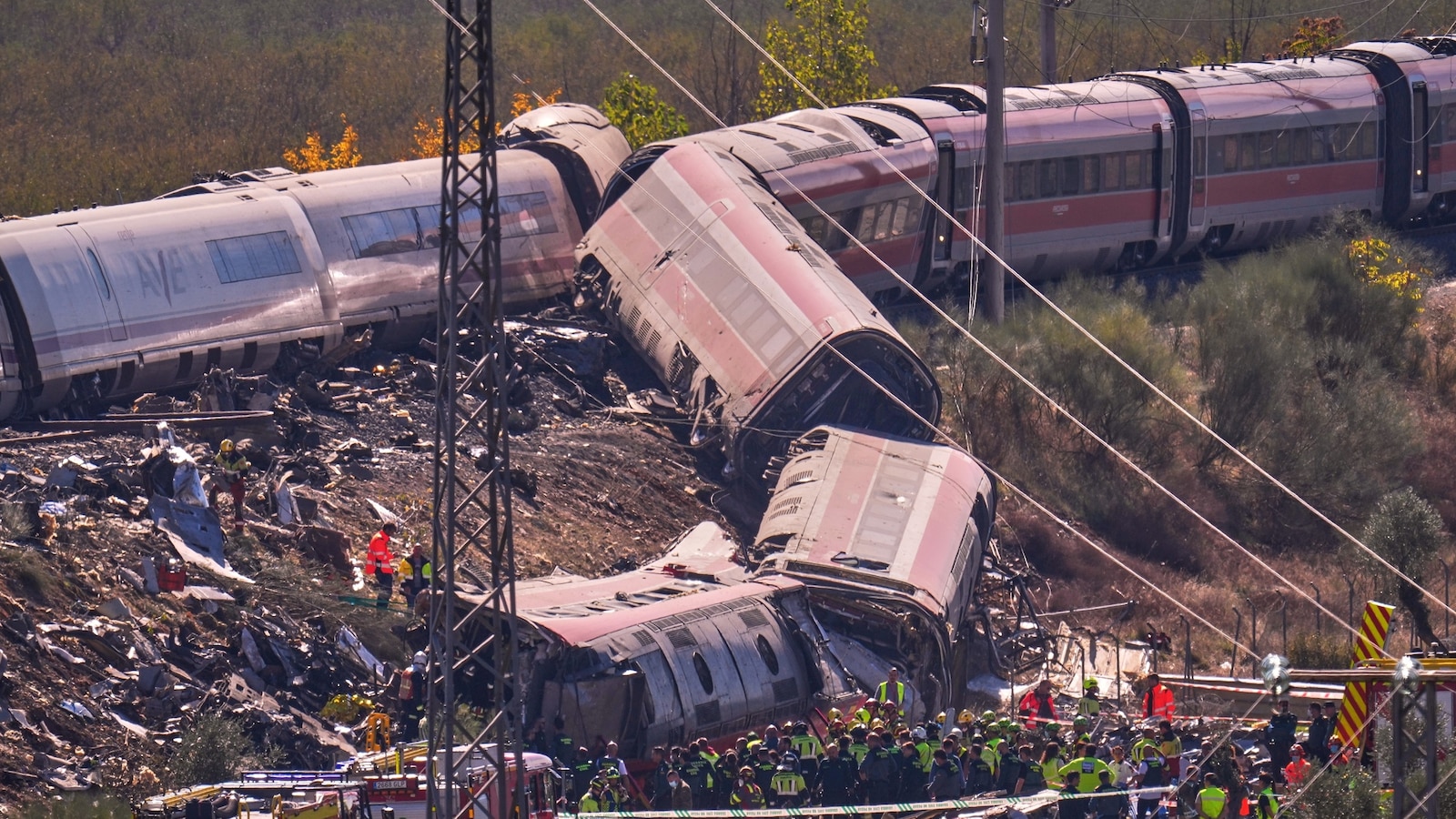
First was a fractured weld. Second was operator error. After over 30 years of no deadly crashes.
I get your point, but I don't think that gives them a pass to kill almost two hundred of their paying passengers.
There was also a horrible crash in 2013 outside Madrid with a high speed Alvia train in Spain, but the train captain had slowed down to 80 miles an hour (on a curve designed for only 40 miles per hour) when the crash happened so it technically wasn't traveling at "High Speed" when those additional 79 people were killed.
I went to Google to compare the two countries safety record:
Japan = 3.5
Billion (with a B) Miles Traveled Since 1964 Debut, 10+ Billion Paying Passengers,
0 (zero) Deaths
Spain = 550 Million Miles Traveled Since 1992 Debut, 620 Million Paying Passengers,
194 Deaths in 3 accidents
Japan = 0 Deaths Every 3.5
Billion Miles Traveled Since 1964
Spain = 1 Death Every 2.8
Million Miles Traveled Since 1992
On my next trip to Japan, I have two legs of the trip that involve a couple hours of Shinkansen travel, and I'll board without hesitation. I have no plans to visit Spain, but you still couldn't pay me to ride a train in that country.
I rode a few trains in Switzerland this past summer, including the incredible Glacier Express.
Now that's another country who knows how to operate a train system! Incredible service and efficiency there, with a big dollop of Swiss elegance on top.